
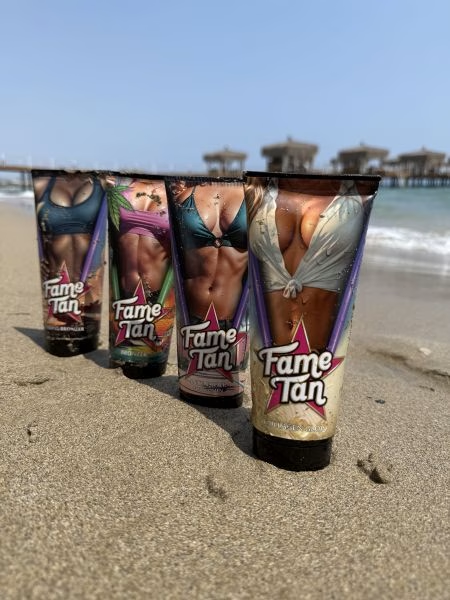
Tanning Lotions for Sunbeds: A UK Buyer’s Guide
Tanning accelerators are lotions designed to help the skin tan more efficiently during UV sessions, but they’re not all the same and they won’t rescue poor session control or tired lamps. In the UK, the best buying decision comes down to matching the product type to your skin, your sunbed’s cleaning routine, and—if you run a salon—your retail workflow and hygiene standards.
TL;DR
– Choose a sunbed-specific accelerator (not a general body moisturiser) to avoid residue, acrylic fogging, and awkward cleaning.
– Decide whether you want a bronzer or a “clear” accelerator; bronzers can look instant but can also transfer to clothes and acrylics.
– Avoid tingle formulas unless you know how your skin reacts and you can manage client expectations in a salon setting.
– Prioritise fragrance level, bottle hygiene, and how easily it cleans off the bed; these matter more day-to-day than fancy claims.
– Patch test new products, follow manufacturer guidance, and remember UV exposure carries risks regardless of lotions.
Myth 1: “Any moisturiser works the same on a sunbed”
In reality, everyday moisturisers can be heavy, oily, and full of occlusive ingredients that don’t play nicely with sunbed acrylics. They may leave a film that’s harder to remove, attracts dust, and can make the bed feel slippery for the next user—especially if you’re running back-to-back sessions.
Sunbed accelerators are formulated to absorb quickly and are generally easier to clean from acrylics when your routine is solid. That doesn’t mean they’re “better for everyone”; it means they’re designed for the environment: warmth, sweat, and regular wipe-downs.
Myth 2: “Bronzers are just accelerators with a nicer label”
In reality, bronzers and accelerators behave differently on skin and on surfaces. A bronzer is designed to add colour immediately (cosmetic colour) and/or develop colour over time, which can be appealing for events or for clients who like instant feedback.
The practical downside is transfer: bronzers can mark light clothing, towels, and—importantly—sunbed acrylics if the user applies too much or doesn’t let it settle. If your salon’s cleaning is rushed, bronzers can become the product that quietly increases your end-of-day wipe time and leaves faint staining that customers notice.
Myth 3: “Tingle lotions mean faster, better results”
In reality, a tingle sensation is a skin response and doesn’t automatically equal a better tan. Some people like the feeling; others find it uncomfortable, patchy, or simply distracting, and it can complicate session feedback (“Is this normal?” becomes the focus rather than timing and aftercare).
For salons, tingle products can increase complaints if they’re sold casually or used on first-time clients. For home users, they’re best treated as an optional niche—not your default pick—especially if you’re still working out your exposure routine.
Myth 4: “If a lotion is expensive, it must protect the bed”
In reality, price has very little to do with whether a product is kind to acrylics and easy to remove. What matters is how it’s applied, how long it sits before the session, and how disciplined the cleaning routine is.
Even a premium lotion can create hazing if it’s layered thickly and baked on by heat over repeated sessions. Your bed’s appearance is protected by consistent wipe-downs with the right products and by keeping oils and residue to a minimum.
What to do instead: buy for your routine, not the marketing
Start with the most practical decision: bronzer or no bronzer. If you’re a home user and you hate laundry surprises, a clear accelerator is often the least hassle. If you’re a salon and you sell bronzers, build the cleaning time into your booking rhythm and set expectations about transfer.
Next, look at texture and finish. Fast-absorbing lotions reduce the chance of smeary acrylics and fingerprints. If a lotion stays tacky, it will attract fluff and look messy on the bed even when you think you’ve cleaned well.
Finally, be fussy about fragrance. In a small UK salon room or a boxed spare-room setup at home, strong scents hang around and can become a customer complaint or a household irritation. Unscented or light fragrance options often make life easier, particularly where ventilation is already working hard.
A real UK scenario: peak-time salon friction you can actually fix
A small high-street salon in the Midlands swaps to a popular bronzer range because clients ask for “instant colour” before weekends. On Friday afternoons, the beds are fully booked and the staff are turning rooms quickly. By the third hour, the acrylics start looking slightly smeared under the room lights, even after wipe-downs. A regular client mentions faint brown marks on the disposable foot mat and asks if the bed is properly cleaned. The manager notices the lotion bottles are being shared at the desk, with slippery hands touching caps between clients. They change two things: bronzer becomes “apply, then wait a minute before you get on”, and bottles become pump-dispensers that stay in the room and are wiped between appointments. The next week, turnaround is smoother, cleaning time is predictable, and complaints drop because the process feels more professional.
The practical buying checklist (UK-friendly)
– Pick a product type (clear accelerator, cosmetic bronzer, or tingle) that matches your tolerance for transfer, scent, and client questions.
– Favour pump bottles or sealed tubes for hygiene and speed, especially in salons where multiple people handle stock.
– Choose a finish that soaks in quickly; if it sits shiny on the skin, it’s more likely to end up on the acrylic.
– Plan your cleaning around the product: bronzers usually need more thorough wipe-downs to prevent haze building over time.
– Keep a dedicated towel or disposable mat policy so lotions don’t migrate from skin to acrylic to the next client.
– Introduce one new lotion at a time so you can spot which product is causing residue, odour, or cleaning drift.
What to watch: the hidden costs of the wrong choice
Residue is the big one. It doesn’t always look dramatic—more often it shows as dullness, streaks under certain light, or a bed that feels “grabby” when you move on it. That can affect client comfort and the perceived cleanliness of your setup.
Hygiene is the next pinch point. Shared bottles, open tubs, and staff topping up testers without wiping the outside is how lotions become messy fast. Good practice is to keep product handling tidy and separate from cash handling, phones, and treatment notes.
Then there’s room environment. Lotions with heavy fragrance can combine with warm air and make a room feel stuffy, particularly in converted spaces with limited extraction. If you already struggle with heat management, don’t add another irritant to the mix.
Common mistakes
1. Applying too much lotion “to get better results”, then wondering why acrylics look cloudy and cleaning takes longer. A thin, even layer is usually easier to live with day-to-day.
2. Selling or using tingles without explaining the sensation, leading to anxious clients and interrupted sessions. Comfort matters because it affects whether people stick to sensible exposure routines.
3. Mixing bronzers and light clothing without a plan for transfer. Towels, mats, and “let it settle” time prevent most of the nuisance.
4. Letting lotion build up over weeks because daily wipes look fine. Build-up is gradual; once haze is obvious, it takes more effort to restore the finish.
Over the next week: tighten your lotion routine without drama
Pick one bed (home) or one room (salon) as your “clean baseline” and use only one lotion type there for seven days. Keep notes on three things: how fast it wipes clean, whether it leaves a scent lingering, and whether clients/users mention stickiness or marks on clothing. If you spot haze developing, adjust the application amount first before blaming the bed or the cleaning products. If staff are involved, standardise where the bottle lives, how it’s dispensed, and when hands are cleaned—small consistency beats big lectures. By the end of the week, you’ll know whether the product fits your reality or just looked good on the shelf.
FAQ
Can I use tanning accelerators on any sunbed at home?
Generally yes, but choose products intended for UV tanning equipment and keep application light to reduce residue. Make sure you can clean the acrylic properly afterwards and avoid anything that leaves an oily film. If you’re unsure about compatibility, follow the sunbed manufacturer’s guidance and prioritise easy-clean formulas.
Do bronzers stain sunbed acrylics in salons?
They can, especially if applied heavily or if users get straight on the bed before it settles. Most issues are preventable with consistent wipe-downs and a sensible “apply, then wait briefly” habit. If staining or haze persists, review the product choice and your cleaning method rather than scrubbing harder each time.
What’s the main hygiene concern with accelerators in a salon?
Shared bottles and messy dispensers are the usual weak spot, not the lotion itself. Pumps or single-use sachets help, and wiping the bottle exterior between clients keeps handling professional. Keep lotions away from areas where money and phones are handled to reduce cross-contamination.
Do I need stronger ventilation if I use fragranced lotions?
Not always, but strong scents can feel overwhelming in small rooms, especially when heat builds up during busy periods. If the room already feels warm or stale, choose lighter fragrance options and keep airflow steady. Good practice is to avoid blocking vents and to keep doors and extraction working as designed.
When should I stop using a lotion and investigate a bigger issue?
Stop if users report persistent irritation, if the bed becomes noticeably slippery, or if acrylics start hazing despite normal cleaning. Also pause if you notice strong lingering odour that suggests residue is baking on. Escalate to a technician if you suspect heat issues, ventilation faults, or anything electrical—don’t attempt modifications or bypass safety devices.
The best accelerator is the one that fits your cleaning, your space, and your users’ expectations without adding extra problems. Keep an eye on residue creep, bottle hygiene, and “quick fixes” that become long-term habits—small slips compound until the bed looks tired and the routine gets sloppy.