
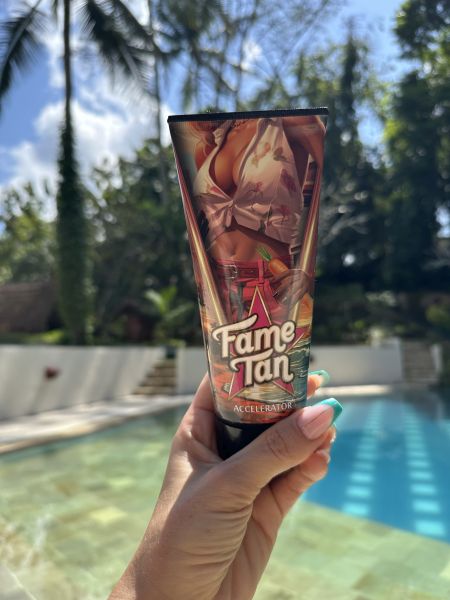
Tanning Accelerators for Sunbeds: A UK Buyer’s Guide
Tanning accelerators are one of the most misunderstood add-ons people use with sunbeds in the UK. Done right, they can improve how a session feels on the skin and how evenly product spreads across drier areas; done wrong, they can make acrylics messy, rooms smell heavy, and hygiene routines harder—without delivering the user experience you expected. The key is matching the product type to your bed, your cleaning standards, and the reality of who’s using it, rather than chasing “fast results” claims.
TL;DR
– Choose indoor-only products designed for UV equipment; avoid anything marketed for outdoor sun or “oil-based” finishes.
– Prioritise formulas that spread evenly, don’t feel greasy, and wipe off acrylics and handles without drama.
– If you run a salon, treat accelerators like a hygiene and uptime decision, not just a retail item.
– Patch awareness matters: stop use if irritation occurs and don’t layer multiple “tingle” products in one session.
– Build a simple routine: dispense cleanly, protect acrylics, ventilate well, and remove residue after every use.
Who accelerators actually suit (and who they don’t)
Accelerators tend to suit regular sunbed users who already know their skin can tolerate UV exposure and who want a more conditioned feel during sessions—especially if they’re prone to dryness or patchiness on elbows, knees, shins, and shoulders. In a salon, they also suit clients who like a “finished” feel (smoother, less tight) and a consistent routine they can repeat.
They’re a poor fit for anyone who reacts easily to fragrance, gets heat rash in warm rooms, or is new to sunbeds and still working out what their skin tolerates. If someone is on the fence, keep it simple: a basic, indoor-only moisturising accelerator without “tingle” is usually the least troublesome starting point. UV exposure carries risks; following the sunbed manufacturer guidance and the product label matters more than chasing stronger formulas.
What matters most when buying in the UK
### Indoor-only, acrylic-friendly formulation
For sunbeds, “indoor” isn’t marketing fluff—it’s a practical filter. Indoor lotions are generally made to sit on the skin without the heavy oils that smear, fog, or leave stubborn films on acrylics. If a product feels like a body oil, it’s far more likely to transfer onto the bed, attract dust, and create a slick patch that’s unpleasant (and risky) for the next user.
Look for claims like “sunbed safe” or “indoor tanning lotion”, and avoid anything that reads like beach tanning oil. If you manage a salon, pick products you can remove quickly during the turnaround between clients; if it needs repeated buffing to shift, it’s not a good operational choice.
“Tingle” and warming products: be selective
Tingle lotions create a warming/flush sensation that some users enjoy and others hate. They can also increase perceived heat in already warm cubicles—particularly in smaller UK units where ventilation isn’t perfect. If you stock tingles, treat them as an advanced option: clear guidance, single-application use, and no mixing with other active products on the same day.
Avoid positioning tingles as “better” or “stronger” in a blanket way. Comfort, consistency, and skin tolerance are what keep sessions predictable.
Scent, residue, and cleaning reality
Fragrance is the number-one reason salons quietly discontinue a product: it lingers in rooms, clings to towels, and can clash with cleaning sprays. For home users, strong scent can drift through the house and become an “I didn’t realise it would do that” regret—especially in spare rooms with limited airflow.
Residue matters just as much. If a lotion pills, feels tacky, or leaves hands slippery, it increases the chance of smears on control panels, handles, and door furniture. In salons, that quickly turns into extra labour and inconsistent hygiene.
Compatibility with your routine and your people
A good product is the one your users will apply correctly. Pumps are generally cleaner than open-top tubs. Sachets can be hygienic for salons but create more waste and can encourage over-application if clients use the whole pack every time.
If you’re buying for a salon, don’t ignore staff training. The best lotion in the world becomes a problem if it’s applied in the cubicle over the acrylic, or if staff can’t confidently explain “indoor only, wash hands, don’t touch the acrylic”.
What people forget (until it causes hassle)
### A short UK scenario that’s very common
A small salon in Leeds adds a “premium accelerator” by the till because clients keep asking for something “stronger”. On the first Saturday, it sells well—but by mid-afternoon the Level 3 bed’s acrylic has visible smears, and the room smells sweet and heavy even after a quick wipe. A therapist tries a stronger cleaner to get the film off, which takes longer and leaves streaks under the lights. The next client complains the bed feels slippery near the shoulder area, and staff start rushing the turnaround. By closing time, the bin is full of wipes and the room still feels warm and sticky, so the manager props the door open, which upsets the flow of the waiting area. On Monday, they swap to a pump-dispense indoor lotion, move application to a designated area away from beds, and the wipe-down time drops back to normal.
How accelerators interact with bed hardware and hygiene
Lotions don’t just sit on skin—they transfer. Acrylics, pillows, handles, and control surrounds all collect a fine film over time if you don’t remove it properly. That film can dull the look of the acrylic and make light cleaning feel ineffective, which tempts people into harsher chemicals or aggressive scrubbing—neither is ideal for surfaces.
Good practice is to use manufacturer-recommended acrylic cleaners and follow contact time guidance. Avoid household glass cleaners, solvents, and anything abrasive, and never use products that could craze or cloud acrylic. If you’re unsure, stick to products sold for sunbed acrylics and disinfecting, and keep cloths clean and dedicated.
Practical buying decisions: match product to setting
### Home users: comfort and simplicity win
If you’re tanning at home, pick one indoor-only lotion you can tolerate consistently. Go for a finish that doesn’t leave hands slippery and that you can wash off easily. If the room is small, avoid intense fragrance and anything that makes you feel hotter during the session—heat build-up is a common reason home users shorten sessions unpredictably or start cracking doors open mid-use (which can disrupt airflow on some designs).
Store lotions away from heat and direct sunlight, and keep lids/pumps clean so you’re not smearing product on the bottle and then on the bed controls.
Salon operators: throughput and compliance feel
In a salon, accelerators are part of your workflow. Choose a narrow range you can explain in one sentence, apply cleanly, and remove from surfaces without a fight. If you retail, keep testers hygienic (or don’t use testers at all) and train staff to spot over-application before a client gets in the bed.
Also consider laundry and room odour. If towels and couch covers are picking up scent and oil, it becomes a background problem that shows up as “the salon smells strong” reviews rather than a clear technical fault.
Technicians: residue is a diagnostic clue
If you service beds, lotion residue tells a story: where clients touch, whether staff are wiping properly, and whether cleaning chemistry is suitable. Cloudy acrylics, stubborn smears, and tacky surrounds often point back to product choice and application habits rather than a bed fault.
When you hand a bed back after service, it’s worth flagging any residue patterns to the operator—politely and practically—because it affects user experience and long-term surface condition.
Common mistakes
### Common mistakes
1) Buying outdoor tanning oil because it’s cheaper or “more intense”. Oils are far more likely to transfer, stain, and create slippery acrylic patches.
2) Using a “tingle” lotion in a warm cubicle with marginal ventilation. The combination can feel overwhelming, leading to rushed sessions and complaints.
3) Applying lotion while leaning over the bed. It only takes one drip onto the acrylic to create a smear that slows turnaround and attracts dust.
4) Throwing stronger chemicals at residue. Harsh products can damage acrylic over time and still fail to remove the underlying film properly.
A simple in-salon / at-home routine that prevents mess
Use this as a practical baseline that works in most UK setups:
– Dispense lotion at a designated spot away from the bed (a small shelf or bench), then wipe hands before touching doors or controls.
– Apply sparingly and evenly; avoid “double coating” dry areas if it leaves a tacky layer.
– Keep a dedicated towel or disposable mat for application to catch drips and protect flooring.
– Vent the room between sessions so fragrance and heat don’t build up into a lingering fog.
– Wipe acrylics and touchpoints with a sunbed-appropriate cleaner using clean cloths, then buff dry to prevent streaking.
– Swap out cloths regularly; a greasy cloth just redistributes residue rather than removing it.
Your next week: choosing and bedding-in one product without chaos
### Make the first purchase a controlled trial
Pick one indoor-only accelerator with a pump dispenser and a finish that describes itself as non-greasy or quick-absorbing. Introduce it to a limited set of users first (or, in a salon, to one or two beds), and watch for two things: how easily it wipes off acrylics and whether the room odour becomes noticeable.
If you’re a salon, write a one-paragraph staff note: where clients apply, how much is “enough”, and what to do if someone brings their own unknown oil-based product. If you’re at home, keep a small microfibre cloth and the correct acrylic-safe cleaner next to the bed so wipe-down doesn’t get skipped when you’re in a hurry.
Accelerators should make your routine smoother, not add friction. If you find yourself scrubbing more, airing rooms longer, or dealing with slippery patches, that’s your cue to change product type rather than pushing on with the same bottle. Small hygiene shortcuts and residue build-up compound over time, so keep the process boring and consistent.
FAQ
### Can I use any tanning lotion in a sunbed?
Not all lotions are suitable for sunbeds, especially anything oil-heavy designed for outdoor sun. Indoor-only, sunbed-safe products are less likely to leave stubborn residue on acrylics and touchpoints. If a product feels greasy or stains fabrics easily, it’s a poor choice for UV equipment.
How do I stop lotions leaving smears on the acrylic?
Keep application away from the bed, use less product than you think you need, and wipe hands before touching the canopy or controls. Clean with an acrylic-appropriate sunbed cleaner and a clean cloth, then dry-buff to remove streaks. If smears keep returning, switch to a lighter, quicker-absorbing lotion rather than escalating cleaning strength.
Do “tingle” accelerators work for everyone?
No—some people enjoy the warming sensation, while others find it uncomfortable or irritating. They can also feel more intense in small, warm rooms or during busy salon days when cubicles don’t cool down properly. If there’s any doubt, start with a non-tingle indoor lotion and prioritise comfort and consistency.
I’ve got a home sunbed in a box room—what should I watch with accelerators?
Heat and odour build-up are the usual issues in small UK rooms, especially if ventilation is limited. Choose a mild-scent, non-greasy indoor lotion and keep a simple wipe-down routine so residue doesn’t accumulate on acrylics. If the room starts feeling humid or sticky, improve airflow and reduce fragrance-heavy products.
When should a salon escalate an acrylic or cleaning issue to a technician?
If acrylics stay cloudy or slippery despite correct cleaning products and clean cloths, or if you notice crazing, cracks, or persistent hazing, stop and get advice before it worsens. Also escalate if staff feel forced to use harsher chemicals to “shift” residue—this often signals a product mismatch or surface deterioration. Consistent minor issues are easier to fix early than after weeks of build-up and rushed turnarounds.