
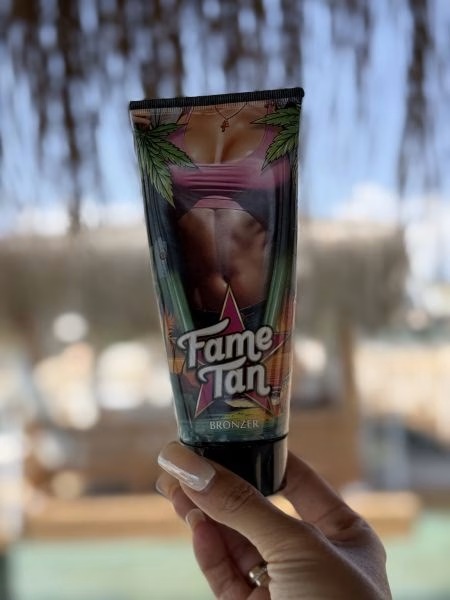
What Tanning Cream Should You Use on Sunbeds? UK Skin-Type Guide
Choosing the right tanning cream for sunbed use isn’t about chasing the darkest label on the shelf; it’s about matching your skin type, your session plan, and the equipment you’re using. The wrong product can leave you patchy, overly dry, sticky on the acrylic, or simply disappointed with the colour you expected.
TL;DR
– Use a dedicated indoor tanning lotion; avoid outdoor oils and anything that says SPF for sunbed sessions.
– Match product type to skin type: hydrators for fair/dry skin, gradual bronzers for most users, stronger bronzers only when you’re already building colour.
– Keep it acrylic-friendly: no greasy oils, no heavy fragrances if you’re sensitive, and wipe residue off hands/soles to prevent marks.
– For salons: control cross-contamination with single-use sachets or clean dispensers, and bake lotion guidance into consultation notes.
– If you’re prone to irritation, pick fragrance-free options and patch test; stop if you get stinging or a rash and seek professional advice.
Myth 1: “Any moisturiser works the same as a tanning lotion”
Regular body moisturiser helps dryness, but it isn’t designed for UV tanning sessions or hot acrylic contact. Many everyday creams feel fine at home yet can turn sticky in a warm canopy, transfer onto the bed, and leave you sliding or smearing. Indoor lotions are made to spread evenly, absorb quickly, and support the look of an even tan without leaving an oily film.
“Works” also depends on your goal: hydration, colour depth, and consistency across elbows/knees/ankles. A decent indoor lotion can make your tan look more even simply because it reduces dry patches that grab colour unevenly.
Reality: What to use instead
Start with an indoor tanning lotion that’s primarily hydrating if you’re fair, dry, or new. If you’re already tanning regularly, a light bronzer can help you look like you’ve “done something” sooner, but it still needs good application technique to avoid palms and streaks.
Myth 2: “Fair skin needs tingle creams to ‘kick-start’ colour”
Tingle products increase a warming sensation and can make skin look flushed, which some people mistake for quicker tanning. For fair or reactive skin, that sensation can be uncomfortable and may lead to overdoing session time because you’re chasing an effect. In salons, tingle also complicates client feedback: redness is harder to interpret, and clients may assume a product reaction is “normal”.
If you’ve never used tingle, it’s not a beginner option. And it’s rarely a good idea for clients who struggle with sensitivity, rosacea-type redness, or those who simply hate the feeling of heat.
Reality: Build a routine that doesn’t rely on sensation
Fair skin tends to do better with a calm routine: a simple hydrator, consistent exposure schedule per manufacturer guidance, and careful aftercare. If you want a “boost” without the tingle, consider a very light DHA bronzer once you’ve established some base colour and you know your skin tolerates the product.
Myth 3: “Bronzers are always better value because you look darker faster”
Bronzers can be great, but they’re not automatically “better”—they’re more demanding. DHA bronzers develop colour over hours and can cling to dry areas (wrists, knuckles, ankles) if you don’t prep properly. Cosmetic bronzers can transfer onto clothing, towels, and acrylic if applied too thickly or not allowed to sink in.
For home users, bronzer mistakes are common because people apply in a rush and then lie straight onto the bed. For salons, the “value” disappears if you’re spending extra time removing smudges from acrylic and dealing with patchy client results.
Reality: Choose bronzer strength based on your stage
If you’re new, stick to a non-bronzer hydrator for a few sessions so you can see what your skin does naturally. If you’re mid-way through your tanning plan, a light-to-medium bronzer can add cosmetic depth while you maintain good skin condition. Strong bronzers are best reserved for experienced tanners who already know how to apply evenly and who are disciplined about washing hands and avoiding over-application.
Myth 4: “SPF is fine on a sunbed because it’s ‘safer’”
SPF products are designed for outdoor sun exposure and can interfere with how your session performs, often leading to uneven results and frustration. They can also be heavier and more likely to mark acrylic, especially if they’re oil-based or water-resistant. More importantly, trying to “hack” UV exposure with the wrong product can encourage longer sessions to compensate, which is a poor habit.
UV exposure carries risks regardless of product choice. Follow the bed manufacturer guidance and any salon policy on lotions, and if you’re unsure what’s appropriate for your skin, seek professional advice.
Reality: Use an indoor lotion and manage exposure properly
If you want to be cautious, reduce frequency or time according to guidance rather than layering outdoor sunscreen. For comfort, pick a fragrance-free hydrator, tan within recommended limits, and prioritise aftercare so skin stays even and less prone to flaking.
What to do instead: a UK skin-type guide that actually works
The simplest way to pick a cream is to start with your skin behaviour, not your desired shade.
Very fair skin that burns easily (often freckles, never/rarely tans)
Aim: comfort and evenness, not speed. Choose a gentle indoor hydrator with no tingle, minimal fragrance, and a “soothing” style ingredient set (think aloe-style, glycerin-type hydration). Avoid strong bronzers early on; they can mask whether you’re overdoing exposure because colour appears from product rather than your skin response.
Fair-to-medium skin that sometimes burns, then tans
Aim: steady build with good skin condition. Start with a hydrator for the first few sessions, then consider a light bronzer if you want extra depth. If you shave or exfoliate, time it sensibly so you’re not tanning straight onto freshly irritated skin.
Medium-to-olive skin that tans readily
Aim: maintain moisture and choose bronzer based on preference. A medium bronzer can work well, but only if you apply sparingly and evenly. If you’re tanning frequently, hydration becomes the limiting factor—dry skin makes results look dull.
Deeper skin tones that rarely burn
Aim: avoid ashiness and patchiness. Look for richer hydration and products that sit comfortably without heavy perfume. Bronzers can still be useful, but even deeper tones can go patchy on drier areas, so application and aftercare matter more than “maximum dark” labels.
A real UK scenario: busy salon, small slip that turns into a problem
It’s a Friday in a high street salon in Leeds, and the afternoon is fully booked with walk-ins stacking up. A regular brings their own lotion, applies it in the room, then hops straight onto the bed without letting it sink in. Ten minutes later, the next client mentions the acrylic feels “a bit smeary” and there’s a faint perfumed odour when the canopy warms. The therapist does a quick wipe but misses the edges near the hinge line where residue collects. By early evening the bed feels tacky, towels are picking up bronzer, and the cleaner is spending longer per turnaround than planned. The manager ends up pausing bookings for a proper clean because they’d rather lose one slot than have three clients complain about marks. On Monday, they update the consultation script: “apply sparingly, let it dry, and no oils,” and they switch to offering sachets for better control.
Lotion handling checklist (home and salon)
– Choose an indoor-specific lotion and keep it separate from outdoor sunscreens and body oils.
– Apply a thin, even layer and give it time to absorb before you lie down on the acrylic.
– Wash palms and wipe fingertips; lightly buff lotion off wrists/knuckles to reduce tell-tale dark patches.
– Keep a small “bed-safe” towel for feet and soles so you don’t leave product prints on the acrylic.
– Store bottles away from radiators and sunny windows so the texture doesn’t split or go runny.
– For shared environments, use single-use sachets or a pump you can sanitise rather than open communal jars.
Common mistakes
Using baby oil, coconut oil, or “shimmer” oils that feel nice but leave a film on acrylic and make cleaning harder.
Applying bronzer too thickly and forgetting hands/ankles, then blaming the bed for streaks.
Reapplying lotion mid-week without washing bedding/towels, which transfers residue back onto skin and causes patchy development.
Ignoring irritation or stinging and continuing anyway; if a product doesn’t agree with you, stop and choose a gentler option.
What to watch: product choice affects equipment hygiene
Even the best lotion can become a cleaning issue if it’s greasy, heavily tinted, or over-applied. For home users, residue builds up slowly and you might only notice when the acrylic looks dull or feels grabby. For salons, residue shows up as turnaround time creep, client complaints about marks, and more frequent deep cleans.
If you manage beds, align lotion rules with your cleaning products: some cleaners lift bronzer well, others smear it. Whatever you use, follow the bed manufacturer’s guidance for acrylic care and never use harsh solvents that can cloud or craze the surface.
Your next-week lotion reset plan
Pick one “base” lotion that suits the most sensitive skin you expect to deal with (even if that’s just you at home) and use it consistently for a week. Note any dryness, tightness, or patchiness and adjust with hydration and gentler products rather than jumping straight to stronger bronzers. If you’re in a salon, add one line to client notes: lotion used + any reaction + whether acrylic needed extra attention. Small records like that stop the same mistake repeating across multiple beds and multiple staff shifts.
Choose products that make your routine easier, not fussier, and keep the bed surface simpler to maintain. Most problems aren’t dramatic—they’re slow drift: a bit more residue, a bit less evenness, a bit more irritation—until it becomes the new normal.
FAQ
Can I use my normal body moisturiser before a sunbed session?
You can, but many regular moisturisers are heavier and may transfer onto acrylic, especially in warm beds. If you do use one, apply it well in advance so it fully absorbs and avoid anything oily. A dedicated indoor lotion is usually easier to spread evenly and tends to be more “bed-friendly”.
Should salons allow clients to bring their own tanning creams?
It’s workable, but it can create hygiene and cleaning issues if products are oily or heavily tinted. Many salons set simple house rules: indoor-only lotions, no oils, and apply sparingly with time to dry. If a product repeatedly leaves residue, it’s reasonable to ask clients to switch for that bed’s upkeep and client experience.
What if a tanning cream makes my skin sting or go red?
Stop using it and rinse it off; don’t assume discomfort is part of the process. Some products (especially tingle or strong fragrance) can irritate sensitive skin, and heat can amplify that feeling on a sunbed. If irritation persists or you’re unsure, seek professional advice before tanning again.
How do I stop bronzer marking the acrylic and my clothes?
Use less than you think you need and allow it to dry before contact with towels or clothing. Wash your hands thoroughly and lightly wipe around wrists, knuckles, ankles, and the edges of feet where product collects. In salons, keep cleaning materials suited to bronzer residue and follow the bed maker’s acrylic-care guidance.
When should I escalate a problem beyond product choice (home or salon)?
If the acrylic stays tacky despite proper cleaning, if you see clouding/crazing, or if the bed surface becomes slippery, stop using the bed and consult the manufacturer guidance or a technician. Likewise, if clients repeatedly report irritation with multiple lotions, look at heat/ventilation and cleaning chemicals as well as the products. Small issues compound when they’re tolerated shift after shift, so it pays to act early.