
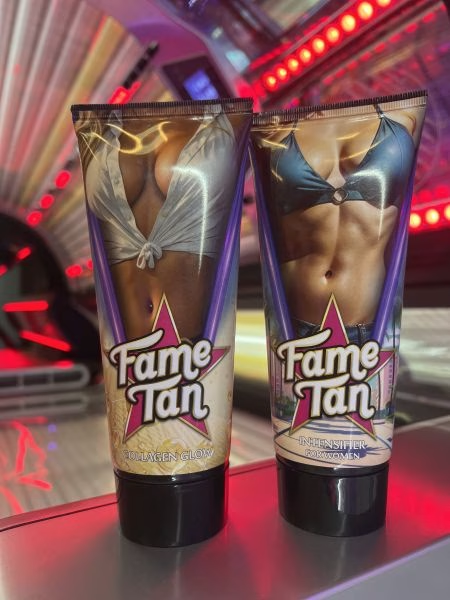
Bronzing Lotions vs Accelerators – Which Is Better for UK Sunbeds?
Bronzing lotions and accelerators can both make a sunbed session feel more “productive”, but they do it in different ways and they suit different routines. In UK homes and salons, the better choice usually comes down to how consistent your sessions are, how well your bed’s acrylics and ventilation are maintained, and how much aftercare you’re realistically going to do.
TL;DR
– Accelerators are the simpler, low-drama option for most UK users, especially if you want predictable results and easy cleaning.
– Bronzing lotions give a quicker cosmetic colour boost but demand better prep, tighter hygiene, and more care around acrylics and fabrics.
– If your salon runs tight turnarounds or you tan at home in a multipurpose room, choose products that won’t transfer or stain.
– Avoid anything marketed as “tingle” unless you know how your skin reacts and you can manage patchy redness complaints.
– Whatever you use, keep it off goggles, acrylic edges, and control panels; residue is what causes most “mystery” marks and odours.
Myth 1: “Bronzers are always better because they give more colour”
Reality: bronzers often add immediate, cosmetic colour (from dyes and/or ingredients like DHA), which can look great but doesn’t always reflect what you’ll maintain after a shower. Accelerators are typically about supporting your tanning process during UV exposure without the same instant “make-up effect”. If you want a natural-looking, steady build and fewer surprises on day two, accelerators usually behave more predictably.
In UK salons, bronzers can also complicate client expectations: someone leaves looking darker, then calls the next day saying it’s “gone patchy” or “washed off”. That’s not a failure of the bed; it’s usually product behaviour plus uneven application.
Myth 2: “An accelerator means you can shorten sessions”
Reality: lotion choice shouldn’t be used as a reason to push exposure time. Session length should stay within the equipment guidance and any salon policy, and should be suitable for the individual. Accelerators can improve glide and reduce that dry, tight feeling some people get under hot airflow, but they don’t remove the risks associated with UV exposure.
A practical point for technicians and owners: if clients assume “faster” equals “more minutes”, you’ll see more dryness complaints, more rebook volatility, and a higher chance of people trying unsuitable products.
Myth 3: “All bronzers are the same, so it doesn’t matter what we stock”
Reality: bronzers vary massively in transfer risk, scent strength, and how they behave with heat. Some are heavy on cosmetic bronzers that can rub onto acrylics, towels, and clothing; others are DHA-based and develop later, which can surprise clients who expected instant colour. A few include stimulating “tingle” agents that can trigger complaints of itching or uneven redness—especially on first-time users or anyone who’s just shaved or exfoliated aggressively.
From an operations angle, product choice affects cleaning time. If you’re doing quick room flips, a lotion that smears or clings to acrylic edges adds minutes you don’t have.
Myth 4: “If acrylics get marked, it’s the cleaner’s fault”
Reality: most acrylic haze and stubborn marks start with product residue that’s baked on by repeated heat cycles. Bronzing lotions are more likely to leave pigment films if clients apply too much, miss rubbing it in, or lie down before it’s absorbed. The wrong cleaner can worsen it, but the root cause is usually application + insufficient wipe-down straight after the session.
Good practice is to use manufacturer-recommended acrylic-safe products and a consistent wipe routine. Harsh chemicals, abrasive pads, or “whatever’s in the cupboard” can shorten acrylic life and make future marking more likely.
What to do instead: choose by routine, not hype
For home users, the question is usually: will this lotion fit around normal life without turning your spare room into a bronze-smudged zone? For salons, it’s: will this product reduce rework and complaints, or add them?
Accelerators tend to suit:
– People building colour gradually and keeping expectations realistic
– Busy salons that need fast, reliable clean-down
– Anyone who wears light clothing after a session and hates transfer risk
– Dry-skin clients who mainly want slip and comfort during the session
Bronzing lotions tend to suit:
– Experienced tanners who want a “noticeable today” look for an event
– Clients who understand transfer, patching and aftercare
– Salons that can enforce lotion rules and provide proper application guidance
– Anyone happy to moisturise properly and avoid tight clothing straight after
Common mistakes
1) Slapping bronzer on just before getting on the bed and not letting it settle, which increases streaking and acrylic marks. A minute of rubbing-in and settling time saves a lot of cleaning later.
2) Using bronzing lotion then putting on a white hoodie or sitting on pale car seats; the product can transfer even if it feels “dry”. Dark, loose clothing is the practical choice.
3) Mixing products mid-session (for example, face-specific and body bronzer) without washing hands in between. That’s a classic route to orange palms and patchy wrists.
4) Assuming stronger scent equals better performance, then over-applying to “get results”. Too much lotion is exactly what causes residue build-up and that stale, warm smell in small rooms.
A real UK scenario: peak-time mess in a small high street salon
It’s Friday at 5:30pm and a small salon in a parade unit is running back-to-back beds with one staff member on reception. A regular brings in a new bronzing lotion bought online and applies it in the room, then lies down immediately. Ten minutes later the acrylic has a faint brown film where her shoulder sat, and the room smells sweet and heavy because the extractor’s been left on a low setting. The next client is in a rush and complains the bed “looks dirty”, even after a quick wipe. The receptionist uses extra spray to compensate, which leaves streaks that catch the downlights. By 7pm, the acrylic is hazy at the hinge end and the queue is irritated. On Saturday morning, the manager has to do a deeper clean and tighten the rule: bronzers only if applied properly and hands washed, otherwise accelerator only.
The takeaway isn’t “ban bronzers”; it’s that product choice has to match staffing, ventilation, and the reality of turnarounds.
Lotion handling and room discipline (5-minute hygiene wins)
Here’s a practical routine that works in most UK settings, from home spare rooms to salons with tight schedules:
– Dispense lotion onto clean, dry hands and rub until it stops feeling “wet” on the skin.
– Keep products away from goggles, acrylic edges, headrests and control panels to avoid film build-up.
– Wipe acrylics promptly after use with an acrylic-safe cleaner and a non-abrasive cloth, then buff dry to reduce haze.
– Encourage clients (or household users) to wash hands with soap straight after applying bronzers, especially around cuticles.
– Let the room breathe between sessions: crack the door or run extraction properly so scent and humidity don’t linger.
– Store lotions upright, out of direct heat; warm bottles can separate and become runnier, increasing mess and over-application.
What to watch: signs your choice is creating problems
A few practical indicators tell you when bronzers or accelerators aren’t working for your setup.
If you’re seeing sticky acrylics, repeated haze, or brown “ghosting”, the product is likely transferring or being over-applied. If there’s persistent sweet odour that doesn’t clear with normal ventilation, residue is probably warming up on acrylics or in the room fabrics.
If clients report uneven results, it’s often application technique: missed blending at ankles, wrists, and neckline, or using bronzer on dry patches. If you notice more cleaning time and more complaints after introducing a bronzer range, it may be the wrong fit for your turnover and staffing levels.
Your next-week switch plan: pick, brief, standardise
If you want a simple, low-risk approach over the next week, make one change at a time.
Start by standardising on an accelerator as the default option for most users, then offer bronzers as an “experienced user” choice with clear guidance on application and aftercare. Add a brief script for staff or household users: apply properly, wash hands, avoid light clothing, and report any irritation rather than pushing on. Keep an eye on acrylic condition—if you’re buffing harder to get marks off, your process needs adjusting before the acrylic takes a permanent-looking haze.
The best lotion is the one that fits your bed, your room, and your routine without creating extra work. Keep your process consistent and small issues won’t snowball into downtime and unhappy users.
FAQ
Do bronzing lotions stain sunbed acrylics in UK salons?
They can leave a transferable film, especially if applied thickly or not rubbed in, which then gets warmed repeatedly. Most of the time it’s removable with the right acrylic-safe cleaner and prompt wipe-downs. If marks keep returning, tighten application rules and reduce product build-up rather than scrubbing harder.
Are accelerators a better choice for home sunbeds in a spare room?
Often yes, because they’re usually simpler to live with: less transfer risk, fewer surprises on fabrics, and easier clean-up. In a home setting, residue tends to end up on door handles, bedding and towels, so “low mess” matters. Still follow the sunbed manufacturer guidance and keep the room ventilated.
Should salons allow clients to bring their own bronzer?
It’s workable if you set boundaries: no in-room applying if it causes mess, and no products that create repeated cleaning problems. If staff can’t identify ingredients easily, focus on behaviours—proper rub-in, hand-washing, and immediate wipe-down of any smears. When in doubt, offer an in-salon accelerator alternative that you can control and clean around.
Do bronzers make ventilation more important?
Yes in practical terms: heavier scents and more residue can linger in warm rooms, especially in smaller UK units with limited airflow. Good extraction and a short “airing” routine help keep rooms pleasant and reduce that baked-on smell. If a room feels stuffy, address airflow rather than masking it with fragrance.
When should I escalate cleaning or maintenance instead of blaming the lotion?
If acrylics stay hazy after proper cleaning, if you’re seeing recurring tackiness, or if the bed develops persistent odour that returns quickly, it’s time to review products, cleaners, and airflow together. For salons, recurring issues across multiple clients suggest process or ventilation rather than “one messy person”. If anything electrical, overheating-related, or unusual is noticed, stop use and get a competent technician rather than improvising.